DOCKDNuggets·1d ago
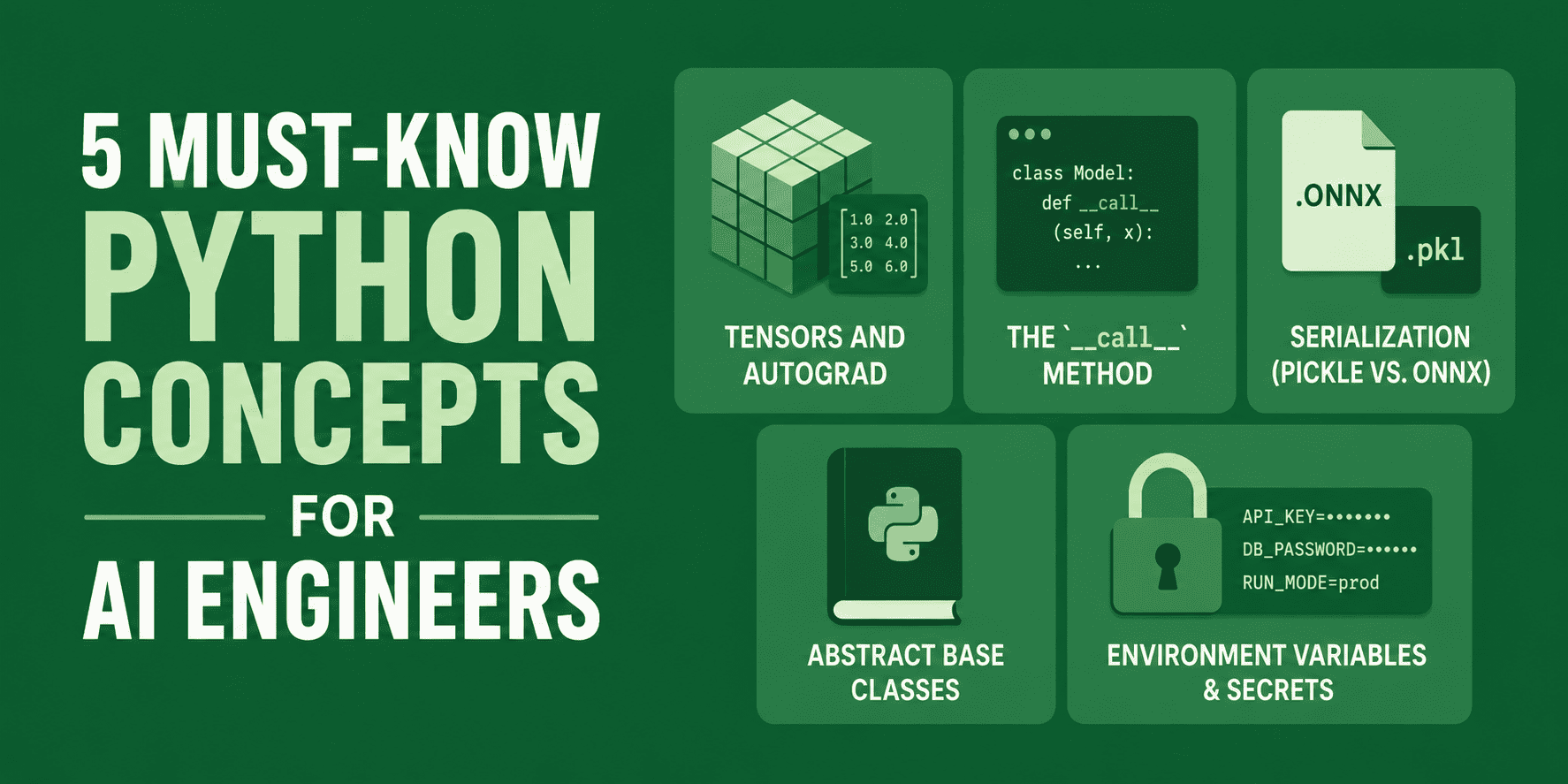
5 Must-Know Python Concepts for AI Engineers
This article explores five essential Python concepts that every AI engineer must master. These concepts are crucial for building scalable, secure, and robust AI systems.
61
This article explores five essential Python concepts that every AI engineer must master. These concepts are crucial for building scalable, secure, and robust AI systems.
The author built an autonomous system that posts to LinkedIn every two hours, entirely on its own. This system runs a Python script, generates content based on a pillar rotation, and calls the LinkedIn REST API, distinguishing itself from AI assistants that require prompts.
The author describes building a Multilayer Perceptron (MLP) from scratch using NumPy to gain a deeper understanding of neural network mechanics, such as backpropagation and gradient computation. This project significantly enhanced their comprehension of how deep learning models learn meaningful patterns.
The author built a simplified, hackable ML compiler stack in 5,000 lines of Python that emits raw CUDA, aiming to provide an easy-to-follow reference without the complexity of existing frameworks. It lowers small models like TinyLlama and Qwen2.5-7B through six Intermediate Representations, focusing on clarity over performance.
Este conteúdo oferece um tutorial aprofundado e um notebook no GitHub que demonstram como construir um Large Language Model (LLM) do zero. O projeto utiliza o romance 'Frankenstein' de Mary Shelley como conjunto de dados para o treinamento do modelo.
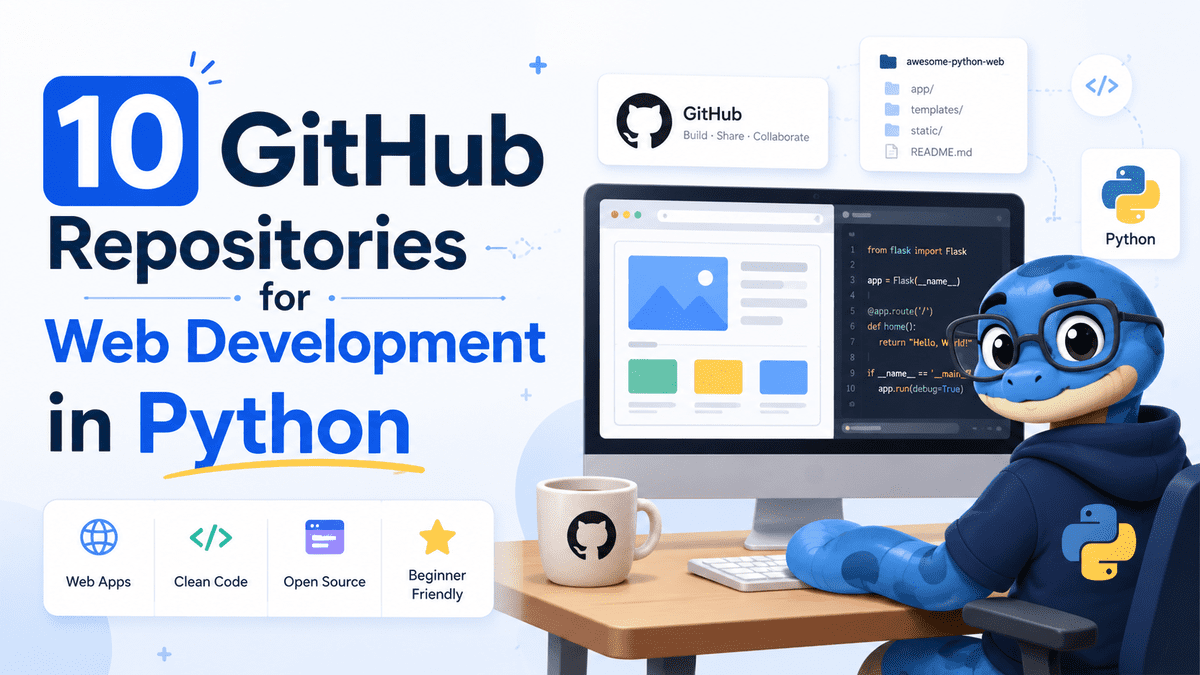
Explore the best Python web development repositories for building APIs, full-stack web applications, dashboards, machine learning demos, internal tools, and interactive user interfaces. These resources provide a comprehensive guide for various Python-based web projects.
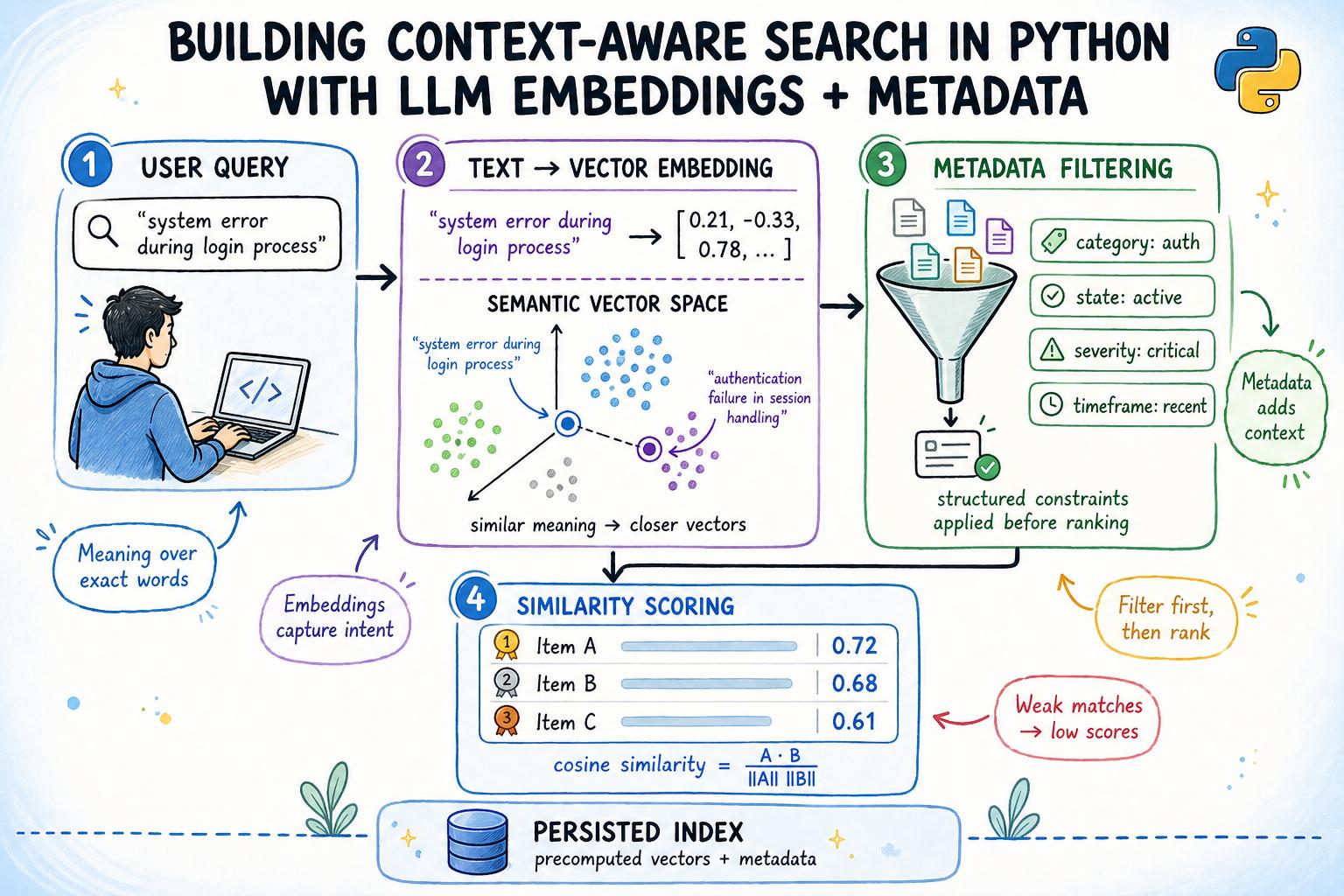
This content focuses on building a context-aware search system in Python, leveraging LLM embeddings and metadata. It explores how to overcome the limitations of keyword search, which often fails if a term is not literally present in the document.
This article introduces NUMBA_3, a Python-based open-source tool that enables touchless AI mouse control using a webcam and hand gestures. Developed in just two hours, it leverages MediaPipe, OpenCV, and Numba for fluid, real-time cursor movement, packaged with PyInstaller.
Gary apresenta Parax, uma nova biblioteca Python construída sobre Equinox e JAX, projetada para aprimorar a modelagem paramétrica com metadados e manipulação de hierarquias de parâmetros profundas. A ferramenta visa oferecer uma abordagem mais orientada a objetos para inspeção e manipulação de modelos em aplicações científicas, mantendo os princípios de imutabilidade do Equinox.
This content describes how AI automation can transform literature reviews, making PDF screening and data extraction more efficient and reproducible. It suggests an iterative approach and combining tools like GROBID and spaCy for a hands-on workflow.
The article introduces dokimos, a lightweight Python CLI tool for local and privacy-friendly checking of text similarity and AI-likeness signals. It was built as a fast, minimal, and scriptable alternative to existing opaque or paywalled solutions.
This content details the lessons learned from building a Model Context Protocol (MCP) server in Python for a 130K-node Neo4j knowledge graph, highlighting crucial insights often missed in tutorials. A key takeaway is to design tools based on questions agents ask, rather than mirroring database schemas, exemplified by a 'search_entities' tool.
A developer launched DocCenter, an open-source local workbench, to address the overwhelming sprawl of AI-generated HTML files from tools like Claude and ChatGPT. This tool provides a solution for editing, managing, and tracking historical versions of these documents, which current alternatives fail to offer.
Version 0.6.1 of the `air-trust` library introduces cryptographic proofs (Ed25519 signatures) for agent-to-agent data handoffs in Python multi-agent AI systems. This feature addresses auditing and security concerns, ensuring data authenticity and agent accountability in AI pipelines.
This practical tutorial demonstrates how to build Agentic AI systems using LangGraph, Python, and LangChain models. It explains agentic systems as graphs with working nodes and decision-making edges, enabling planning loops and multi-agent patterns.
This content details how to build a custom MCP (Model Context Protocol) server in Python from scratch using Anthropic's official SDK. MCP is an open standard allowing AI assistants like Claude Code to call external tools directly through JSON-RPC over stdio, enhancing AI's ability to interact with user systems.
Este artigo discute como o output detalhado do comando `pip install` é desnecessário e prejudicial para o contexto de modelos de IA como o Claude, que precisam apenas saber se a instalação de pacotes Python foi bem-sucedida ou falhou. Detalhes verbosos como barras de progresso e logs de compilação são considerados ruído que não auxilia a IA na depuração.
This article provides a tutorial on integrating locally hosted open-source large language models such as Mistral, Gemma, and Llama 3 for language tasks like text classification. It demonstrates how to achieve this for free using Ollama and the Scikit-LLM Python library.

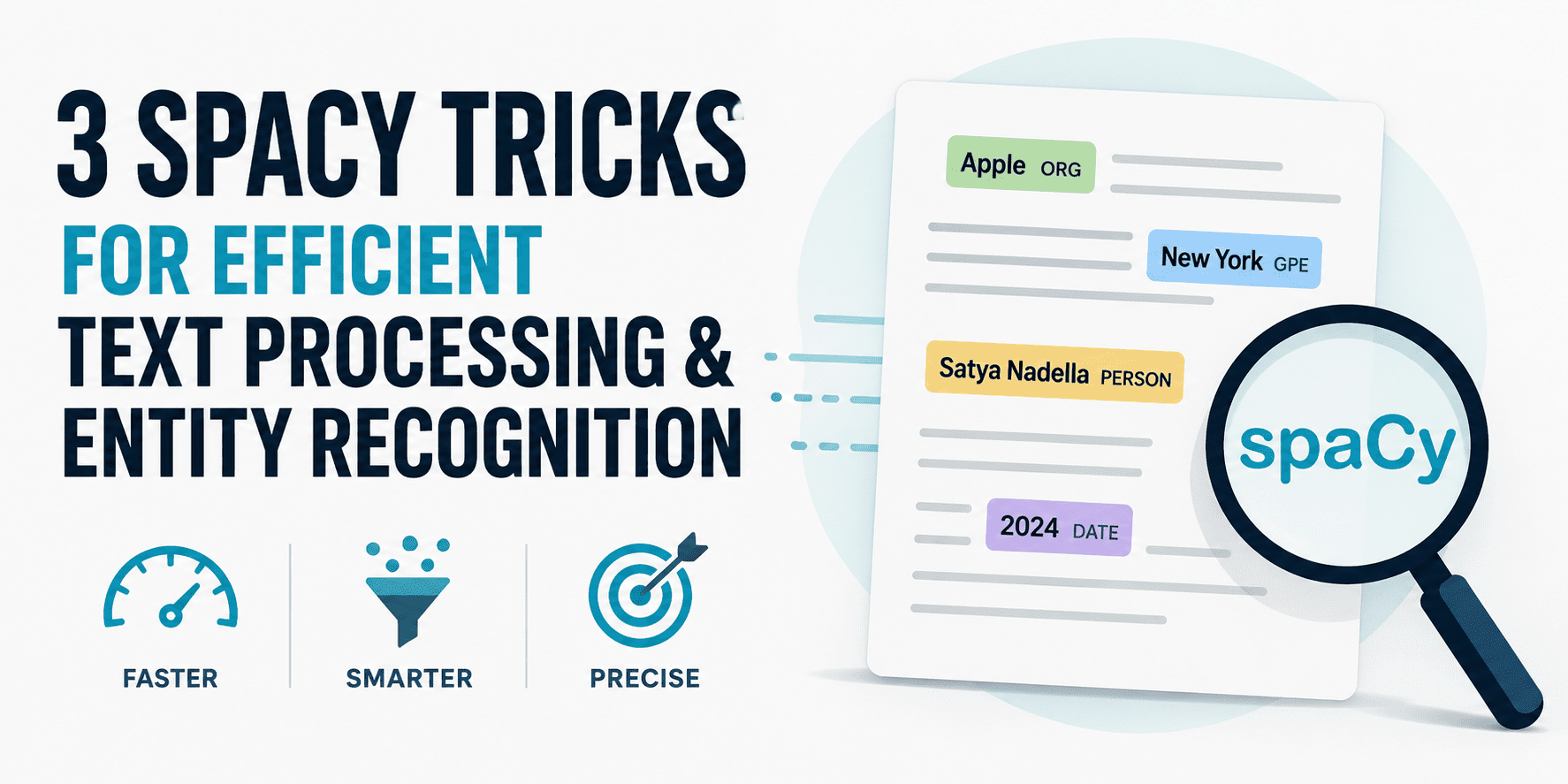
This article explores three essential spaCy tricks for developers, aiming to maximize processing speed. It focuses on customizing entity recognition for efficient workflows.
This tutorial outlines how to build a Python script for RAG-Anything, enabling multi-modal RAG across PDFs containing text, images, tables, and equations to answer natural language questions. It details the setup and use of a multimodal knowledge-graph pipeline, including installation instructions and OpenAI API usage.